
coffee.introP1

500 g / 17,637oz
€ 19,00
Incl. VAT
500g / 17,637oz
€ 21,00
Incl. VAT
500g / 17,637oz
€ 27,00
Incl. VAT
500g / 17,637oz
€ 29,00
Incl. VAT
500g / 17,637oz
€ 23,00
Incl. VAT

500g / 17,637oz
€ 22,00
Incl. VAT
coffee.originsTitle
coffee.originsSubtitle

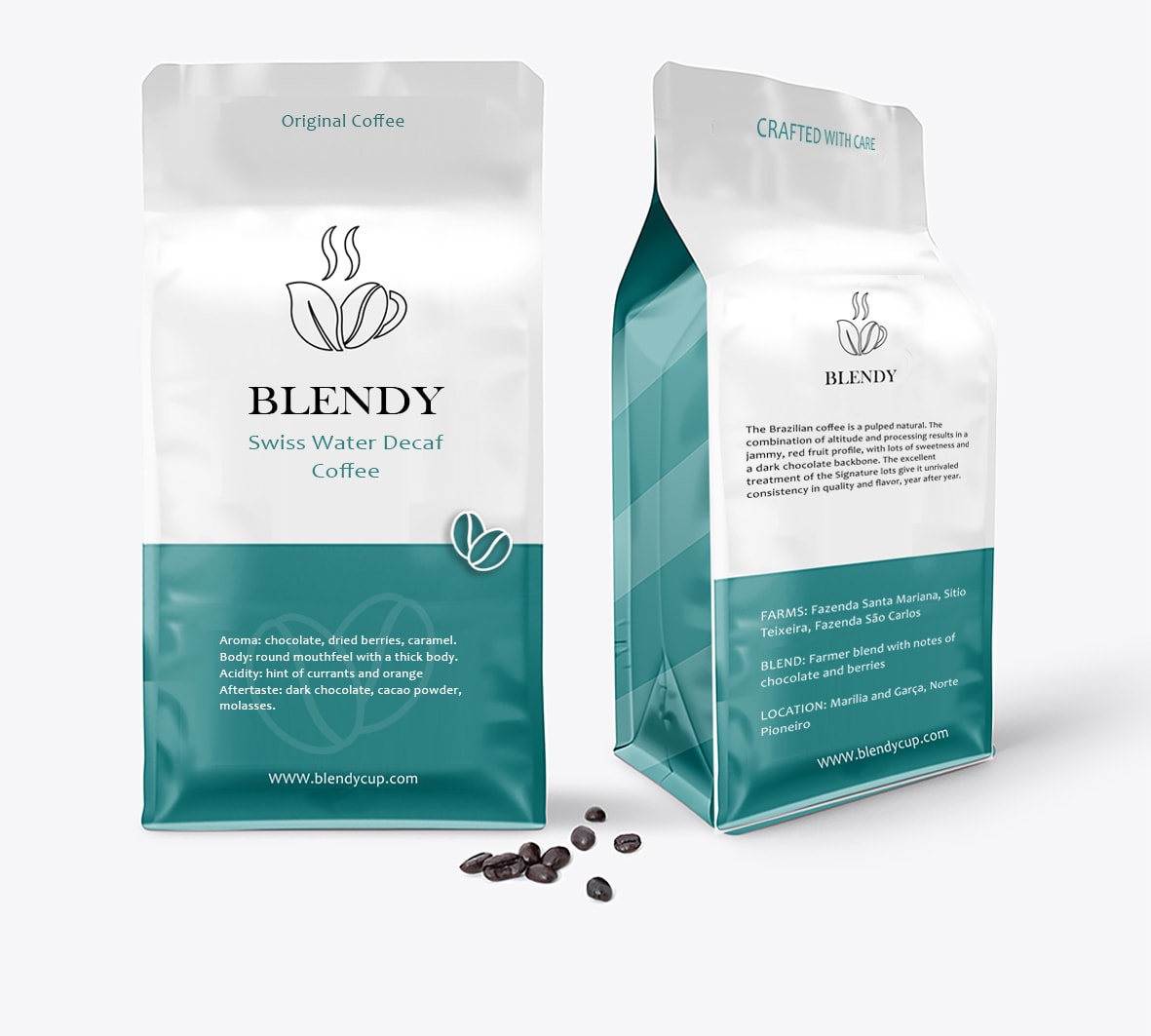
About the Brazilian farmers
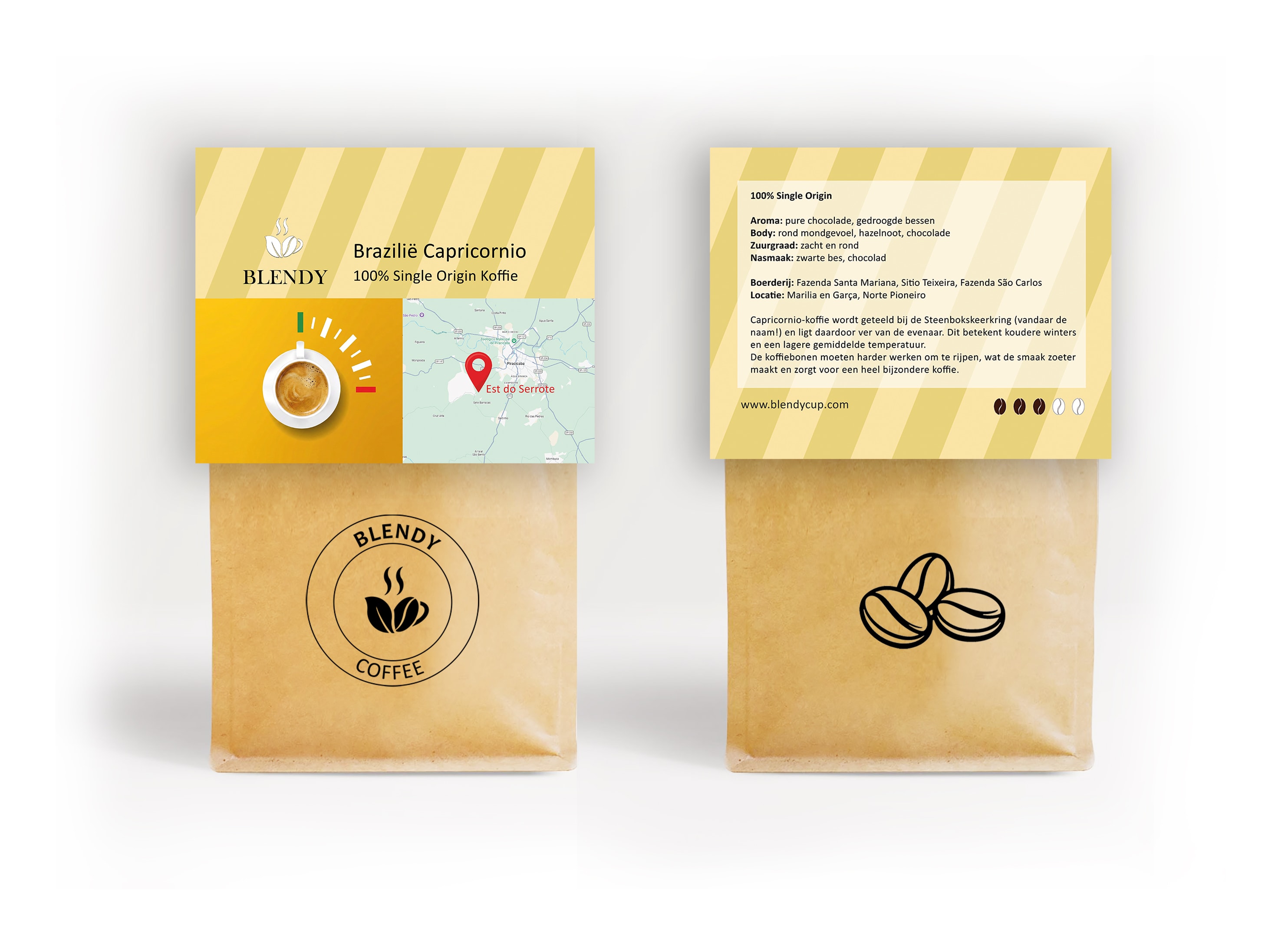
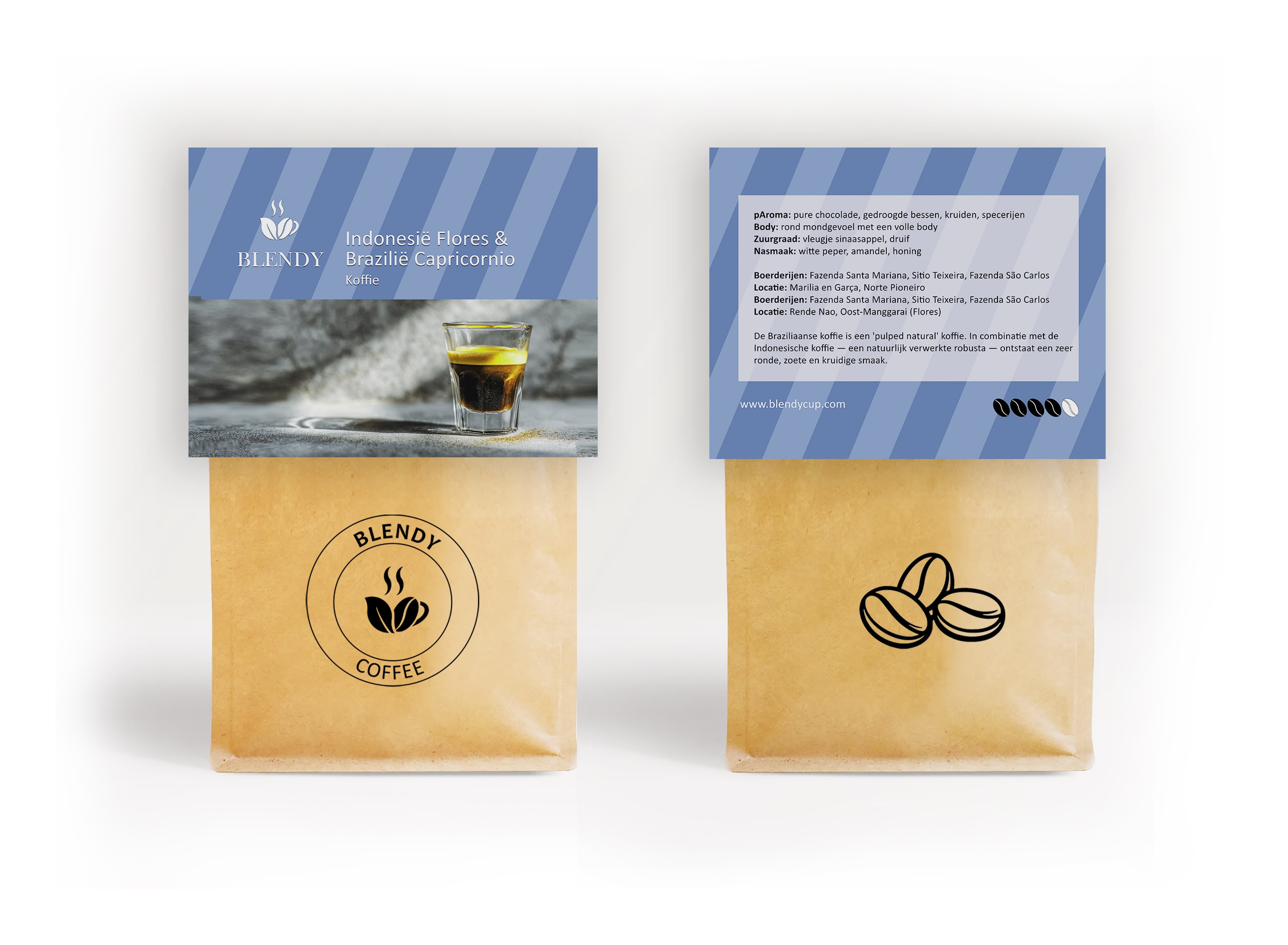
Capricornio coffees is located on the line of Capricorn (hence the name!) and therefore quite distant from the Equator, this means that winters are colder and average temperature is lower. The coffees will need to work harder to ripen, which increases the sweetness of the flavor, creating a very distinct coffee. This coffee is a blend especially prepared for Special Roast, and part of the Signature coffees line of the connected Capricornio Estates. Signature coffees have taste profiles idealized and chosen by Capricornio Coffees directors José Antônio and Luiz Roberto, and validated by the Quality Control team. The aim is to create taste profiles that are repeated every year, offering not only quality, but also consistency, that coffee drinkers recognize every year.
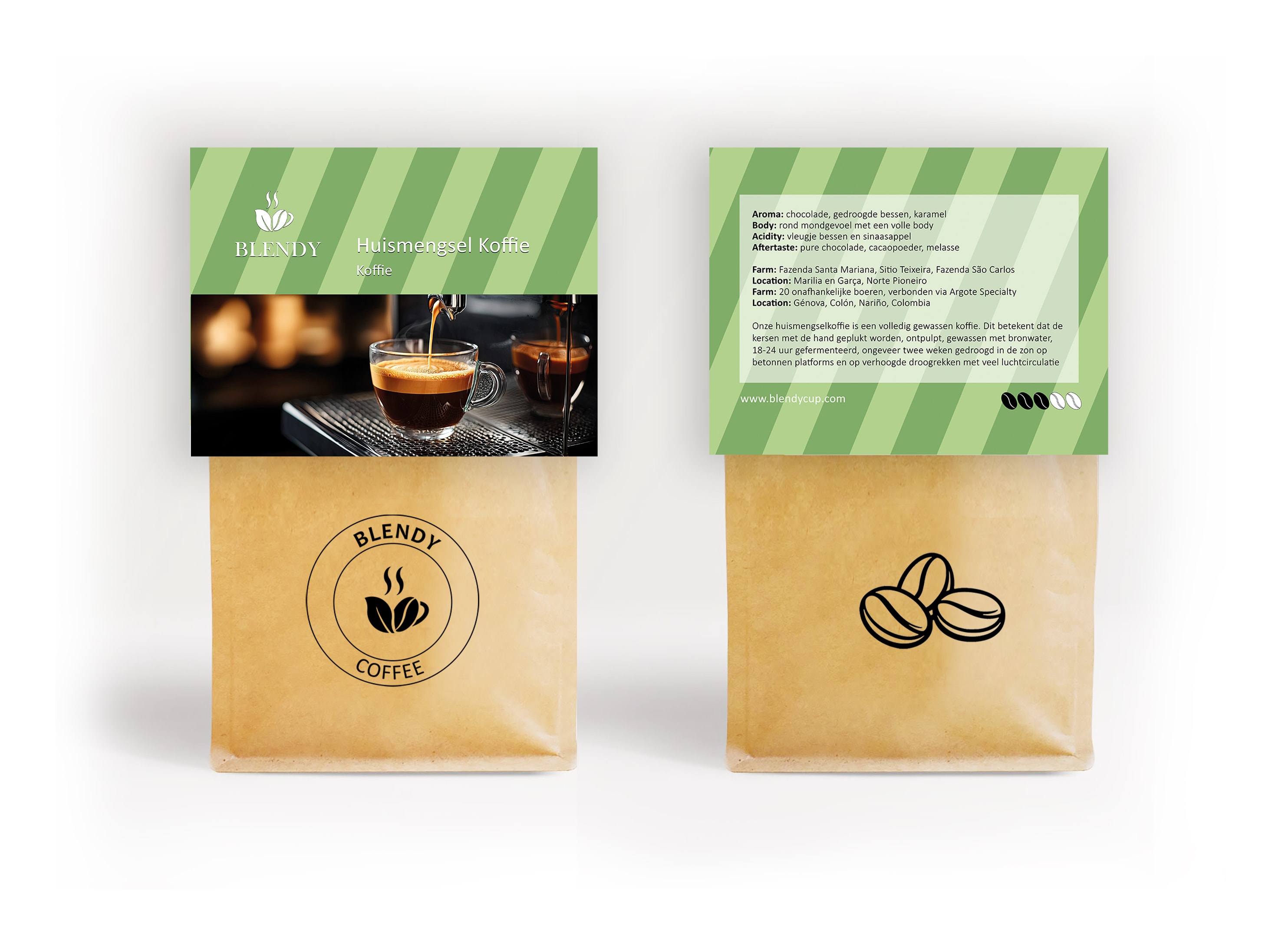
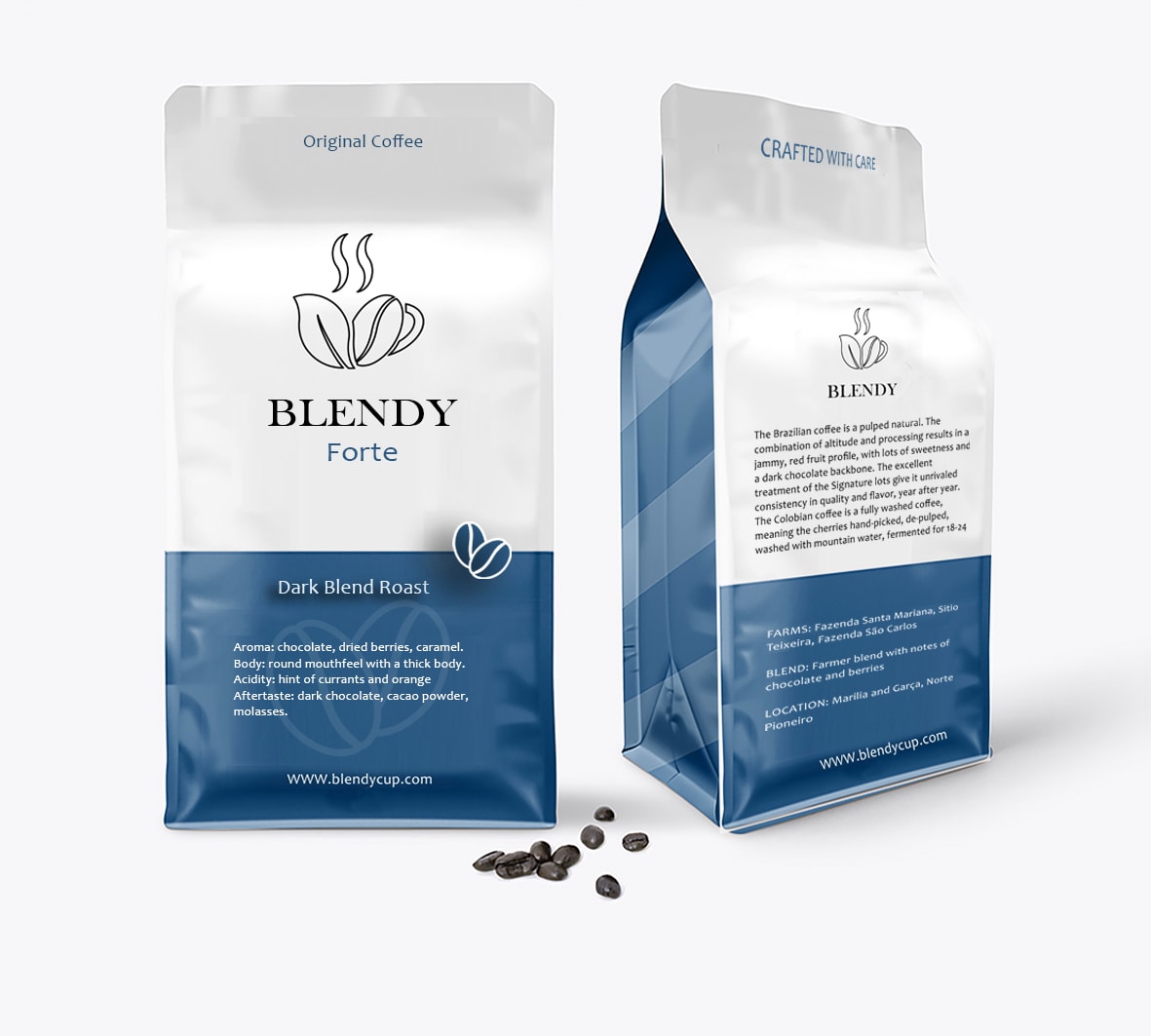
coffee.farmers: Fazenda Santa Mariana, Sitio Teixeira, Fazenda São Carlos
coffee.blend: Farmer blend with notes of chocolate and berries
coffee.location: Marilia and Garça, Norte Pioneiro
coffee.cultivars: Catuaí and Novo Mundo
Indonesia
Indonesia – Earthy, full-bodied beans (e.g., Sumatra coffees).
Robusta on Java Plantation first In these plantations, you can clearly see two types of cultivation: private land in the foreground and, in the background above, a sort of "government" rainforest. Down here, they are allowed to cut down trees and plant saplings, whereas up above, they have to plant coffee plants between the trees. Naturally, this results in a significant difference in production and income. The yield from the cultivated land is much greater and organized more efficiently.

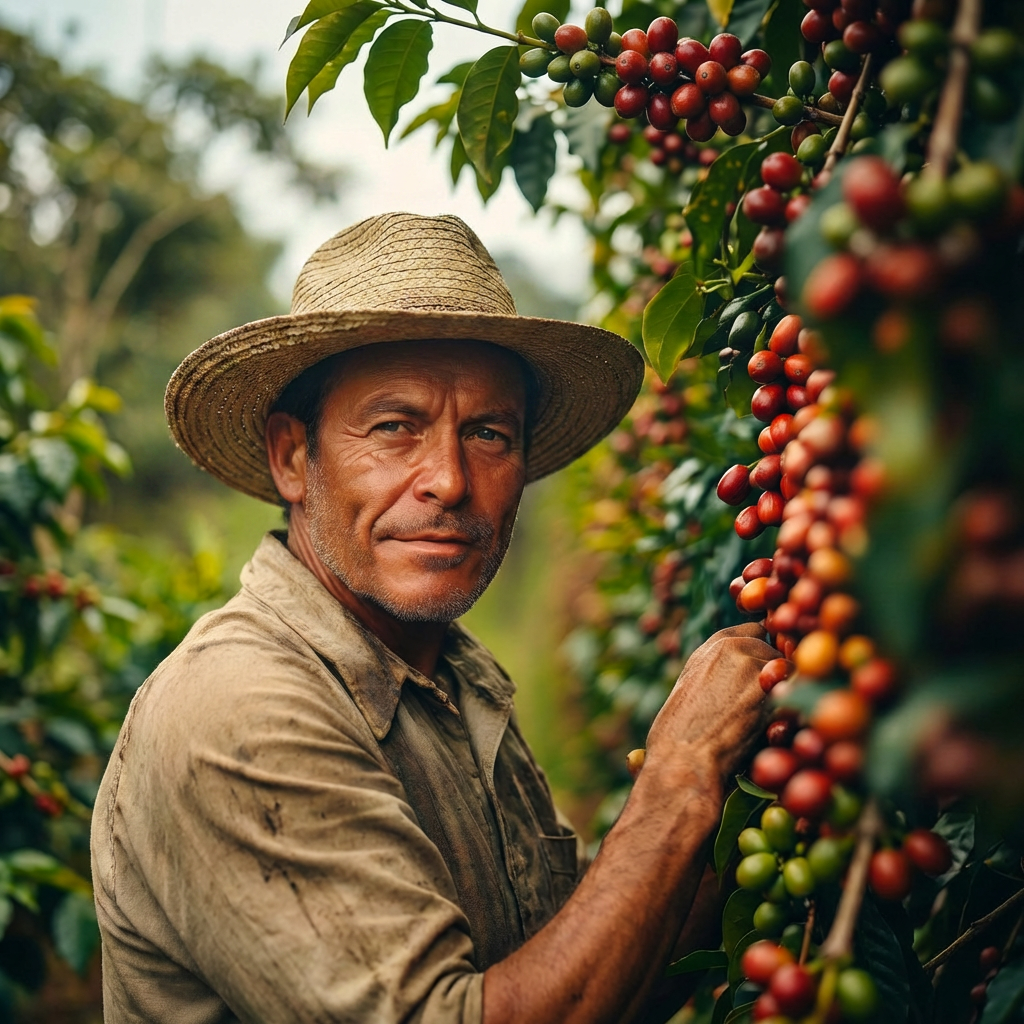
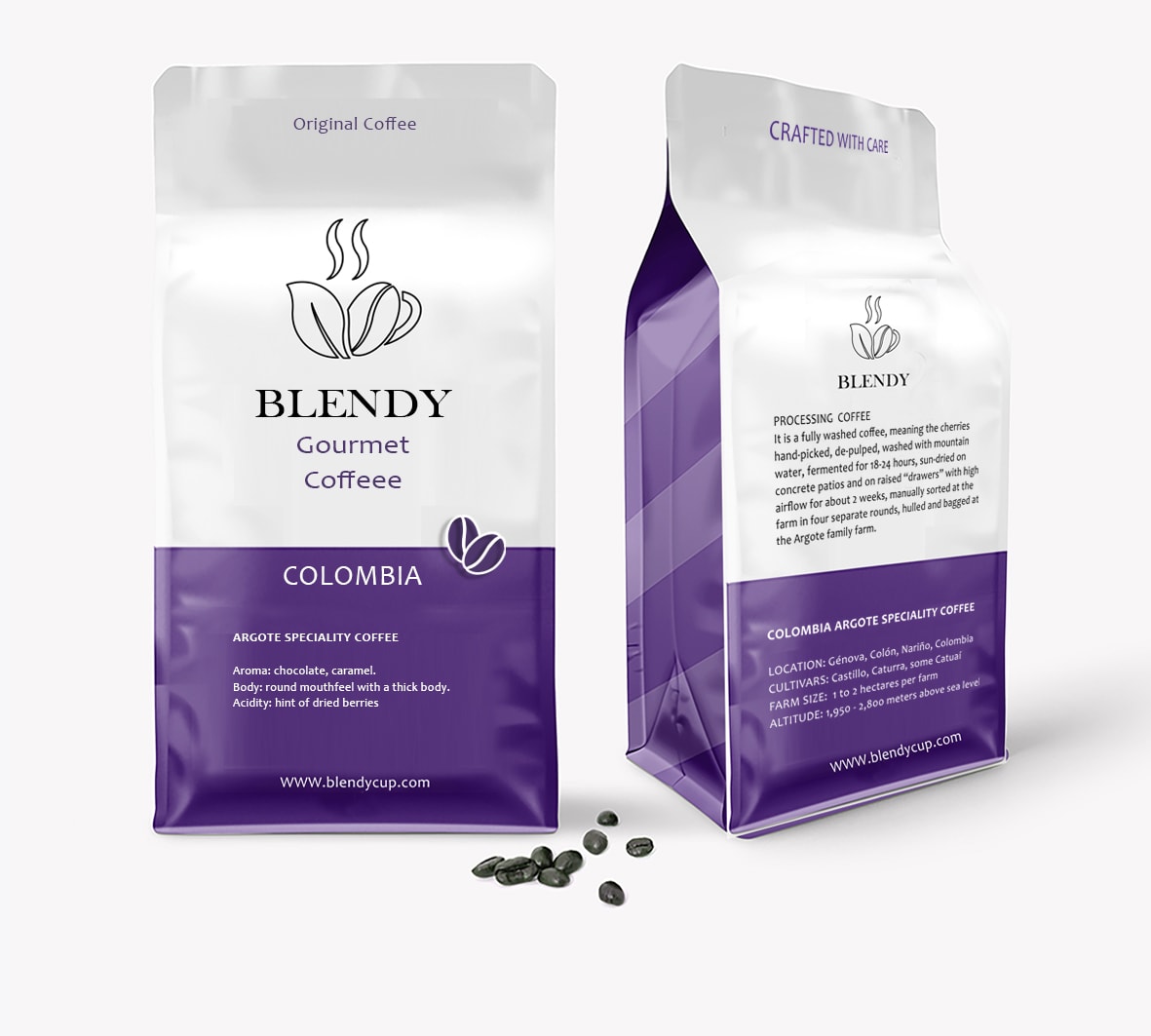
ABOUT THE COLOMBIAN FARMS
Colombia – Famous for balanced, mild coffee with caramel sweetness.
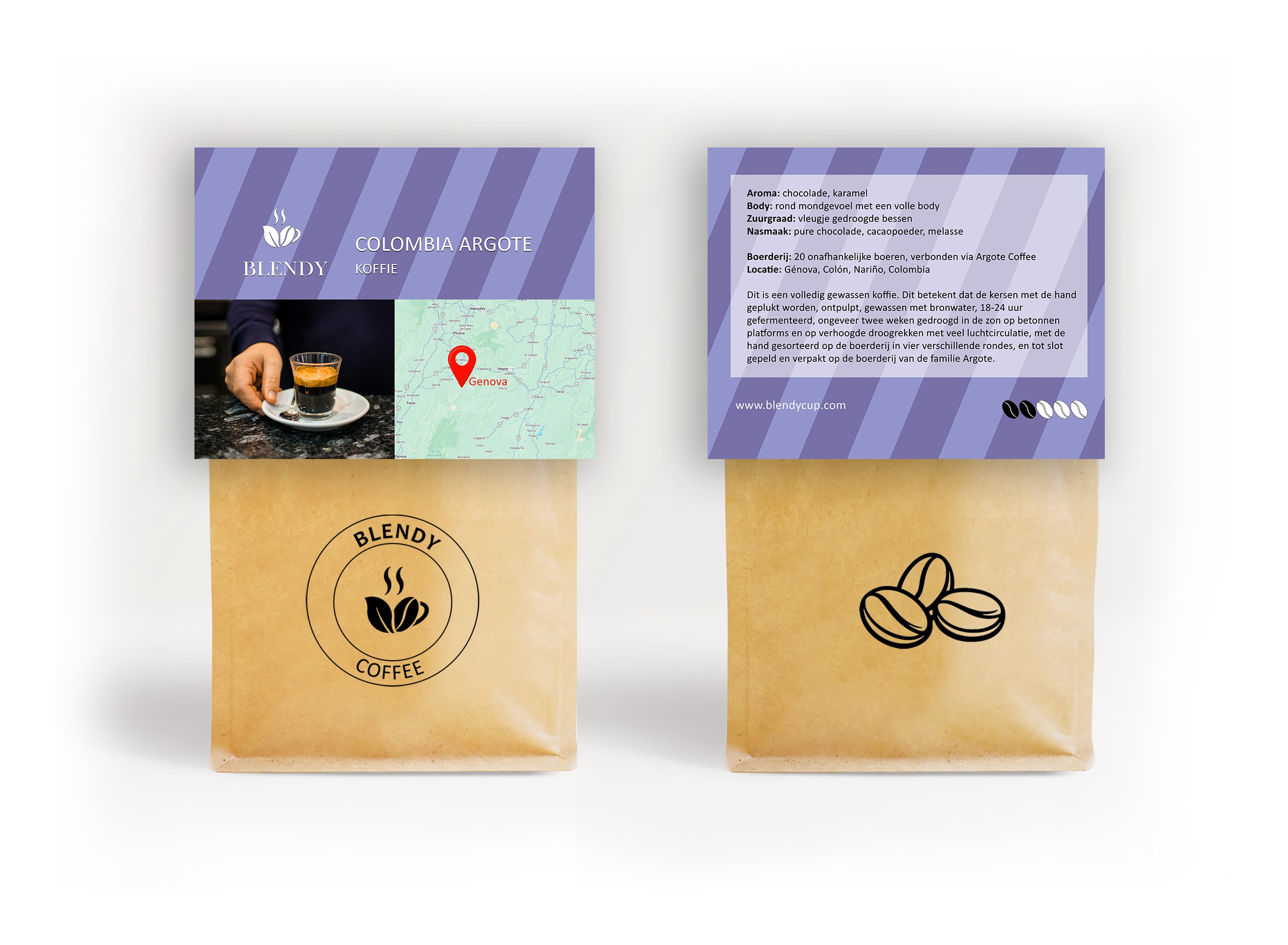
With over 20 farmers both young and old, Argote Specialty Coffee works towards producing high quality coffee whilst being able to care deeply for the land. Over the last 10 years, several improvements social, environmentally have been observed due to the economic impact created by coffee trade. A few of farmers have also established direct relationships with roasters in the Netherlands allowing them to work closely to co-develop a coffee portfolio that offers stable income to the farmers year after year. Argote creates three important areas of impact in the community because of coffee trade. Firstly, they work with farmers to pay them a higher price for their produce and within the community everyone earns a fixed price for washed, naturals making it an equal and fair environment for the entire community. With over 20 farmers both young and old, Argote Specialty Coffee works towards producing high quality coffee whilst being able to care deeply for the land. Over the last 10 years, several improvements social, environmentally have been observed due to the economic impact created by coffee trade. A few of farmers have also established direct relationships with roasters in the Netherlands allowing them to work closely to co-develop a coffee portfolio that offers stable income to the farmers year after year. Argote creates three important areas of impact in the community because of coffee trade. Firstly, they work with farmers to pay them a higher price for their produce and within the community everyone earns a fixed price for washed, naturals making it an equal and fair environment for the entire community.
coffee.farmers: 20 independent farmers, connected by Argote Specialty Coffee
coffee.location: Génova, Colón, Nariño, Colombia
coffee.cultivars: Castillo, Caturra, some Catuaí
coffee.farmSize: 1 to 2 hectares per farm
coffee.altitude: 1,950 – 2,800 meters above sea level
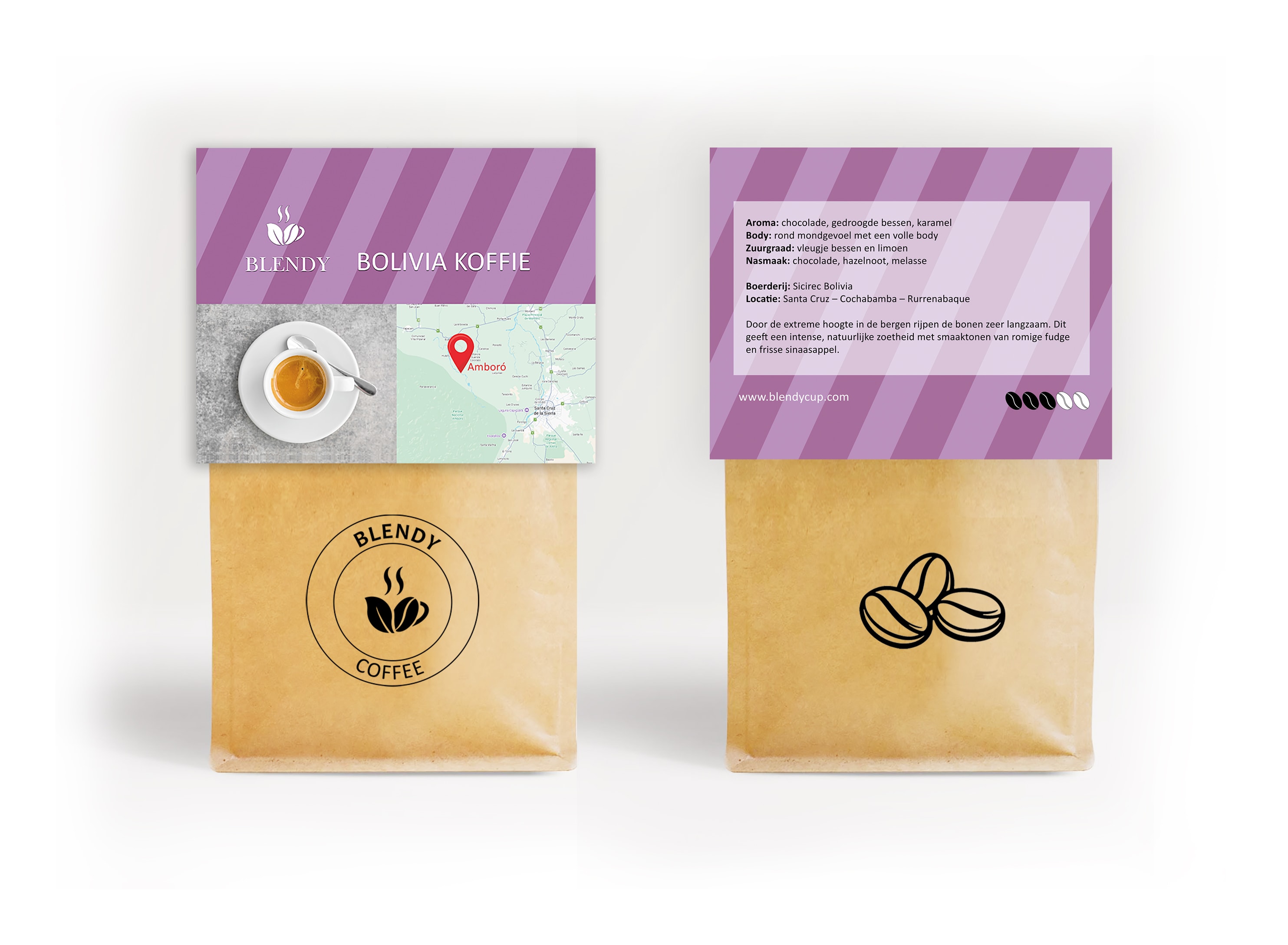
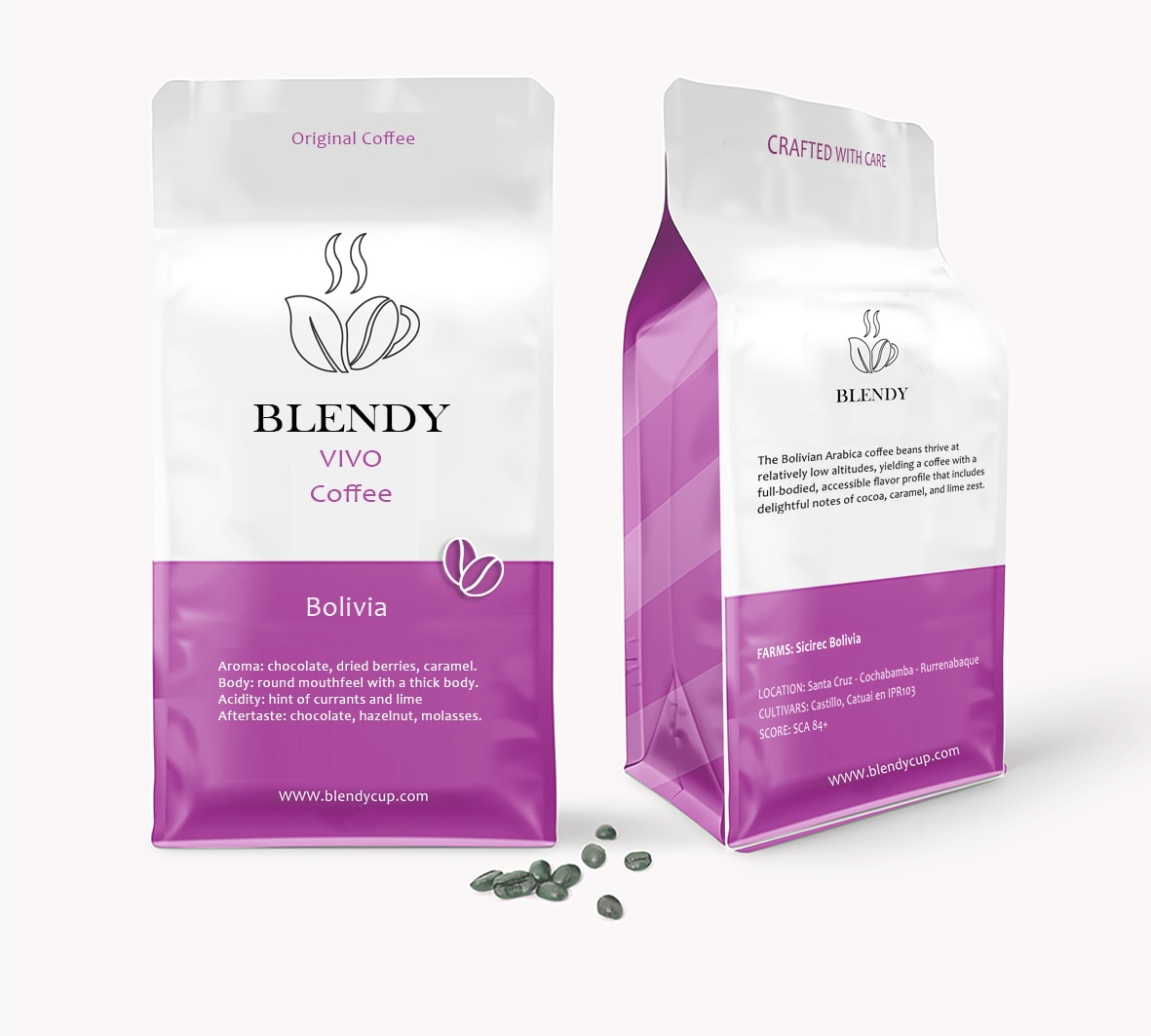
About the BOLIVIAN farmers
Bolivia – Rare, high-altitude beans with delicate sweetness and complexity.
Sicirec Bolivia is a dedicated local organization committed to restoring the biodiversity of tropical rainforests and improving socio-economic conditions. Collaborating with over 2,000 small-scale, indigenous farming families in the regions surrounding Santa Cruz, Cochabamba, and Rurrenabaque, Sicirec provides essential support in agricultural practices, offering training and equipment to these hardworking farmers. The Bolivian farmers grow coffee using sustainable agroforestry systems, creating food forests that not only produce high-quality coffee but also contribute to environmental conservation.
coffee.farmers: Sicirec Bolivia
coffee.location: Santa Cruz - Cochabamba - Rurrenabaque
coffee.cultivars: Castillo, Catuai en IPR103
Score: SCA 84+


Swiss Decaf Brazil
Swiss Decaf Brazil – All the flavour, none of the caffeine.
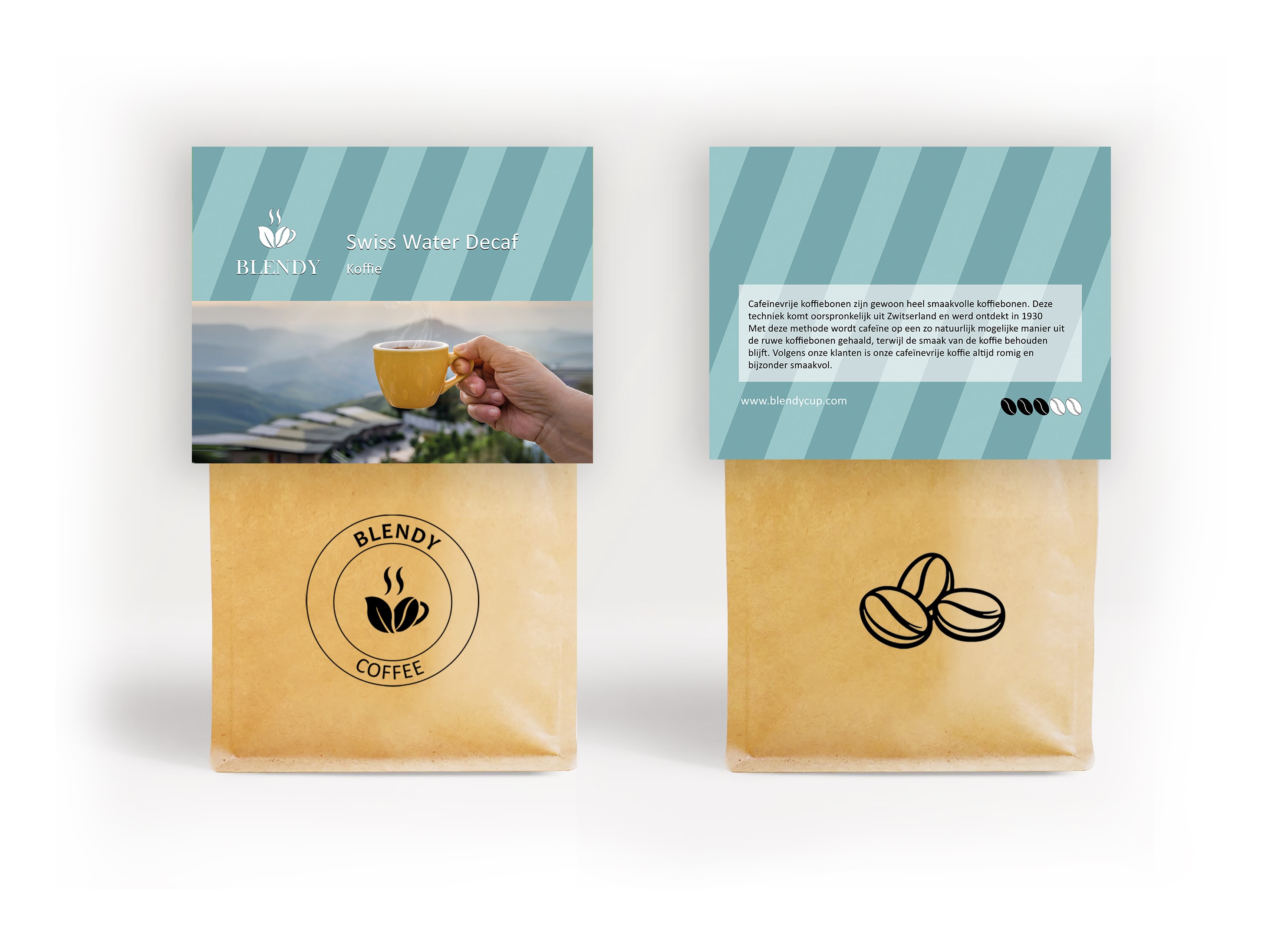
Swiss Water Process (SWP) decaffeination works through diffusion, not osmosis. Initially, green coffee beans are soaked in water until all the caffeine and flavor compounds are extracted. The beans are then discarded, and the solution they created is run through a carbon filter that removes the caffeine, leaving behind only the flavor compounds—what SWP calls its green coffee extract, or GCE. When SWP decaffeinates a coffee, the beans are soaked with a small amount of the GCE, which creates a saturated solution in which the caffeine leaves but the flavor compounds remain in place, unaffected. The GCE is like a yeast “mother.” While initially SWP had to sacrifice some coffee to create it, once the first batch was made, it just needs to maintain the health of the GCE and keep it slowly regenerating, which it does by adding small amounts of clean water.
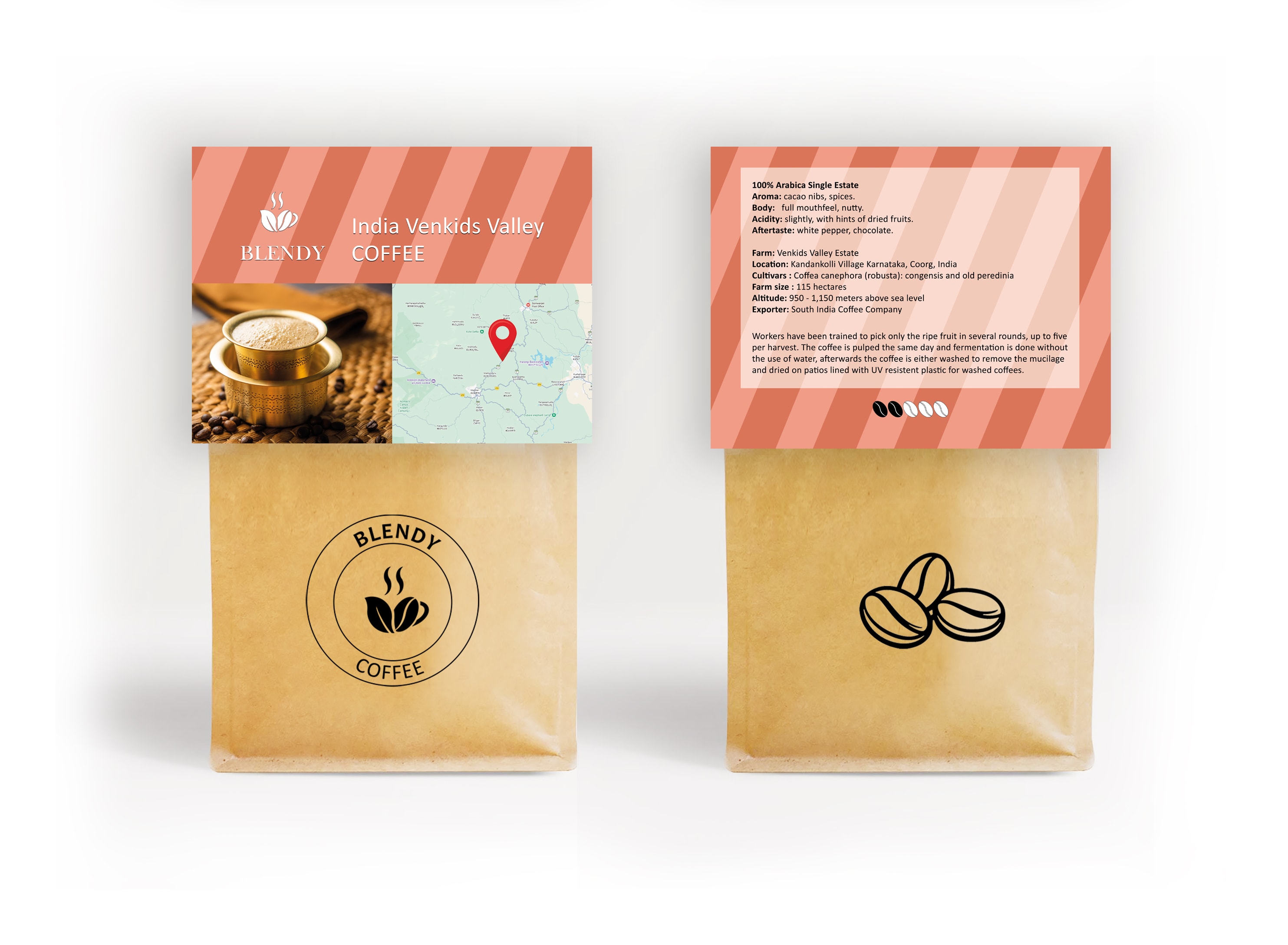
India
India – A rare robusta that fools every jury.
Venkids Valley Estate is run by husband and wife Pavan and Shilpa Nanjappa, who started their coffee journey in 2013 when they inherited Pavan's late father's estate. Their first harvest was a mere 480 kilos, but they approached coffee growing in a fresh way. They grow both arabica and robusta varieties, meticulously block-planted with single varietals. It was their robusta that especially caught our attention: at various official cuppings at SCA events, not one jury member could determine that they were tasting a robusta, confusing the Nanjappa's coffee with a monsooned arabica. The farm is home to over 40 varieties of jungle trees, where the coffee is shade-grown. Spices such as pepper and cardamom, and fruits including oranges and avocados are also grown. Between 50–60 varieties of resident and migratory birds and the scattering of wild bees balance the ecosystem.
coffee.farmers: Pavan & Shilpa Nanjappa — Venkids Valley Estate
coffee.location: Kandankolli Village, Karnataka, Coorg, India
coffee.cultivars: Coffea canephora (Robusta): Congensis and Old Peredinia
coffee.farmSize: 115 hectares
coffee.altitude: 950 – 1,150 meters above sea level
Exporter: South India Coffee Company
about.ctaQuote